14-Day Snow Leopard and Bird expedition
Expedition across the Altai Mountains to track Mongolia’s most elusive predator.
Tour Pricing
What's Included:
Not Included:
Best Time to See Snow Leopards
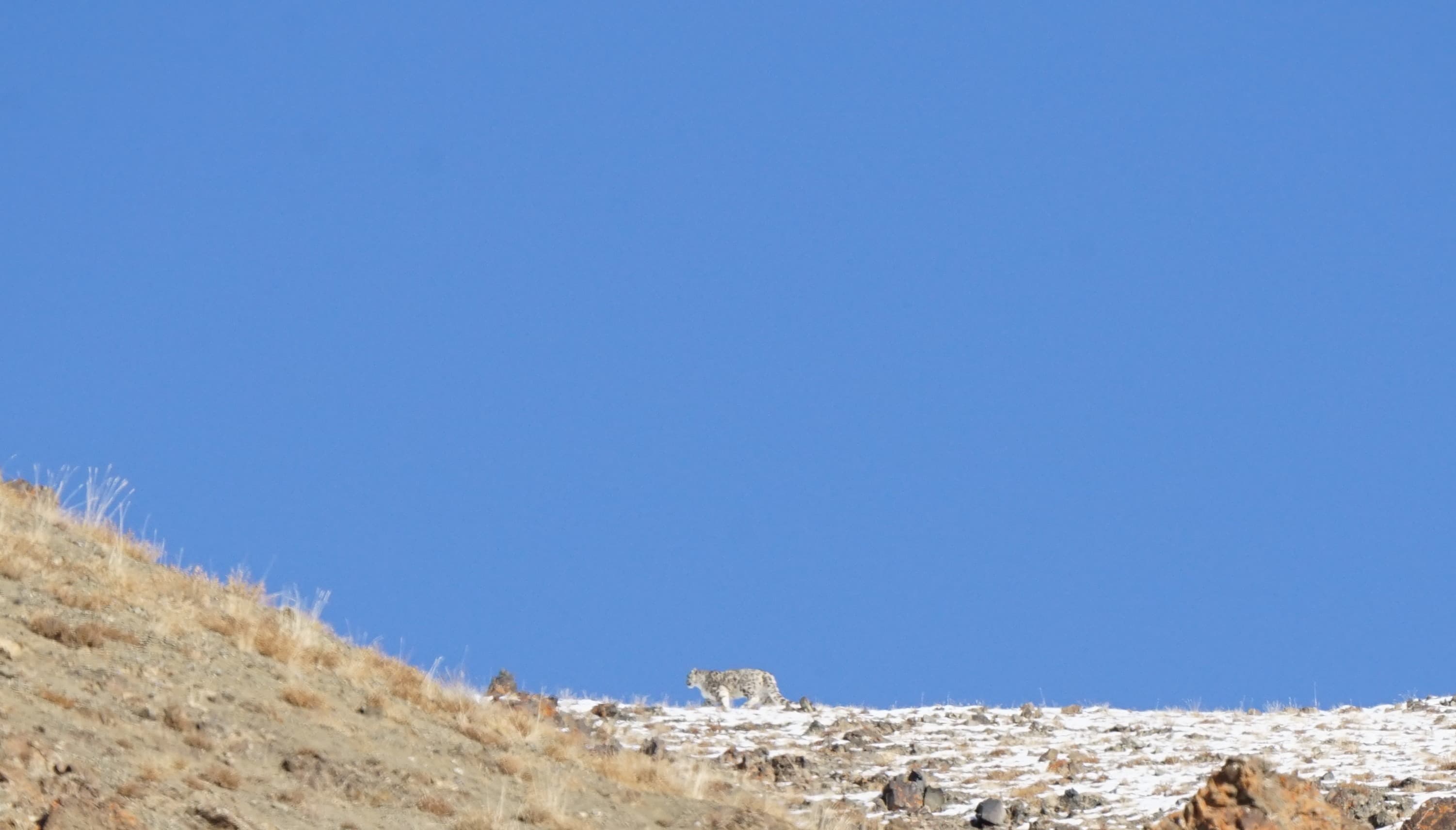
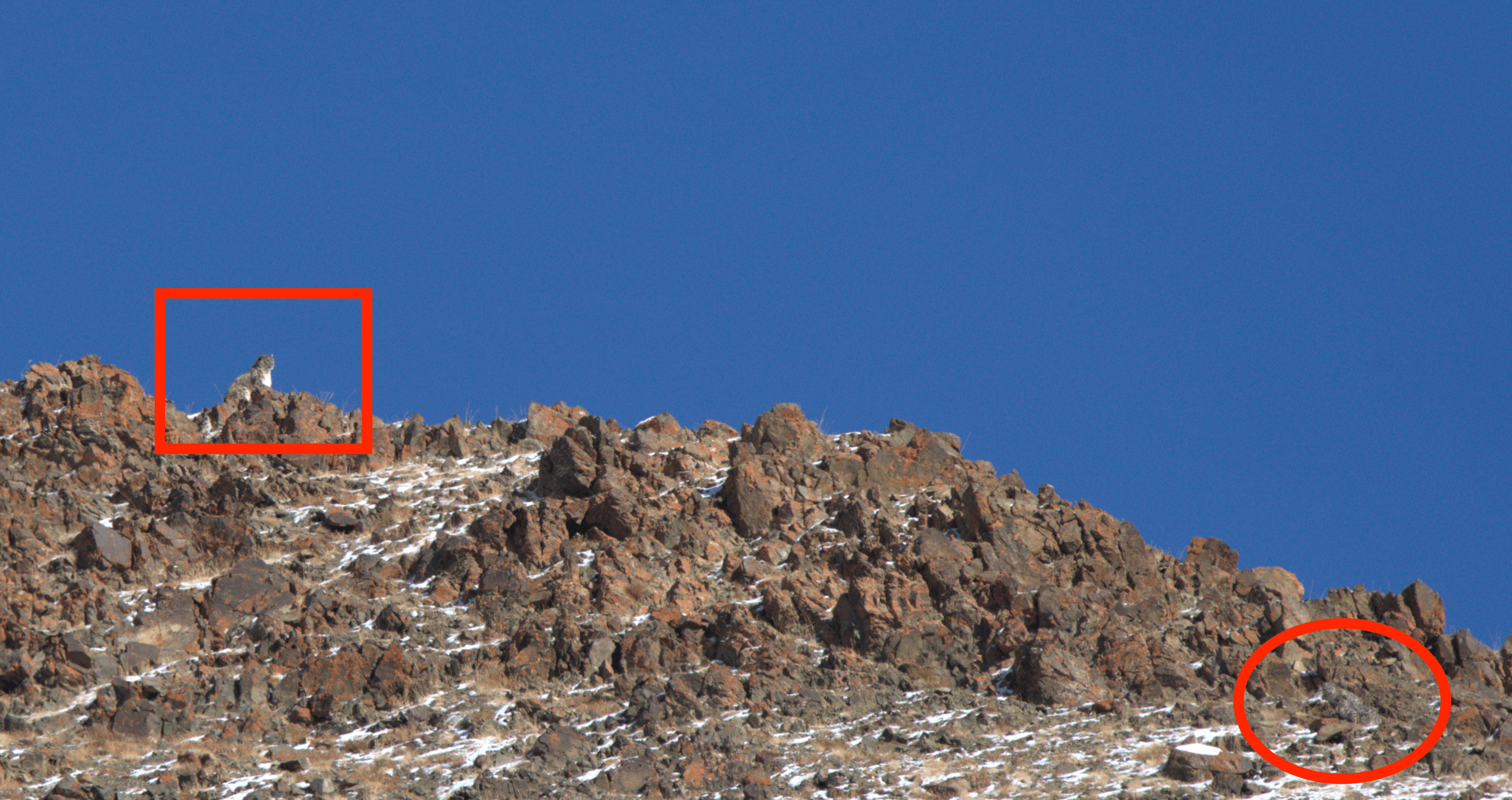
The snow leopard breeding season takes place from January to mid-March. During this period, a male and female often travel together for several days and mate. After breeding, the female is pregnant for 93–110 days before retreating to a sheltered den to give birth, usually in June or July. She raises the cubs alone, providing food and protection. By about three months of age, the cubs begin following their mother and learning essential hunting skills.
Best Seasons for Snow Leopard Photography
February–March — The Prime Time
This is the most reliable period to see and photograph snow leopards. Mating behavior makes them more active and easier to locate. January is also possible, but temperatures can reach –35°C, making field conditions extremely harsh.
September–November — Also a Good Season
As autumn arrives, snow leopards move more frequently while preparing for winter. Visibility is good, temperatures are moderate, and chances of sightings remain high.
June–August — More Challenging
During summer, hot daytime temperatures push snow leopards to higher altitudes, making sightings more difficult.
Itinerary
Day 1: Arrival in Ulaanbaatar (UB)
- Airport pick-up and transfer to hotel
- Accommodation: Mongolica Hotel
- Meal: Dinner at a Mongolian restaurant
- eBird hotspot: https://ebird.org/hotspot/L6128400
Day 2: Drive to Khustai National Park
- Wildlife highlights: Saker Falcon, Amur Falcon, Merlin, Common Kestrel, Asian Short-toed Lark, Upland Buzzard, Cinereous Vulture, Siberian House Martin, Little Owl, Przewalski's Horse, Red Deer, Siberian Marmot, and other steppe species
- Lunch: At Khustai National Park
- Dinner: At a restaurant in Ulaanbaatar
- Accommodation: Hotel
- eBird hotspot: https://ebird.org/hotspot/L961793
Day 3: Flight to Khovd – Drive to Snow Leopard Base Camp
- Flight to Khovd, Western Mongolia
- Drive to the Snow Leopard Camp located in the Altai Mountains
- On the way, we will do birdwatching at Khar Us Lake (eBird hotspot: https://ebird.org/hotspot/L1447733/bird-list?rank=lrec)
- Accommodation: Snow Leopard Ger Camp
Days 4 - 12: Snow Leopard Tracking in the Altai Mountains
- Explore prime snow leopard habitat with experienced local trackers
- Daily hikes and scanning sessions
- Birdwatching opportunities throughout the mountain valleys and ridges
- Even though our main focus is searching for the Snow Leopard, we will also be birdwatching in the Snow Leopard Valley, looking for species such as Altai Snowcock
Day 13: Return to Ulaanbaatar
- Travel back to Khovd town
- Fly to UB
- Accommodation: Hotel
Day 14: Departure
- Transfer to Chinggis Khaan International Airport
Tour Information
Camp is located at the end of a valley. We will walk as far as the car can go, with daily walking distances of approximately 6–10 km round-trip.
At night, conditions are cooler and often windy.
Accommodation
Throughout the trip, accommodation will primarily be in ger camps. In urban areas, we will stay in comfortable hotels. In remote locations, camping tents will be used.
All sleeping bags, bedding, and necessary camp equipment will be fully provided.
Transportation
We use 4x4 vehicles, driven by experienced drivers (15–20 years). The route includes both paved and unpaved roads.
Ready to Start Your Expedition?
Contact us to secure your spot on this unforgettable snow leopard expedition.